How to Volunteer for a UK River Clean-Up: A Beginner’s Guide
Most people meet their local river from a bridge, at a distance of a few metres. Standing beside it, knee-deep in wet grass with a litter picker in one hand, is a different relationship. You notice where the flow slows and plastic gathers, where a bank has been trodden bare, where a kingfisher keeps returning. You also see how quickly a small group can make a tatty stretch of water look cared for.
River clean-ups are one of the easiest ways into practical conservation in the UK. No experience, no qualifications, no kit of your own. You need a free morning, a pair of gloves and some tolerance for mud.
They are also, quietly, one of the most sociable ways to spend a Saturday. A clean-up is a group of strangers walking slowly in the same direction with the same job in mind, which turns out to be a far better basis for conversation than most networking events. You will spend two hours next to someone you have never met, talking about shopping trolleys. It is oddly good for you.
What a clean-up actually involves
Expect shopping trolleys, drinks cans, wet wipes, tennis balls, bike frames and plastic bags snagged in branches — plus a surprising number of things somebody carried there on purpose. None of it is glamorous, but the change is visible within an hour.
The mix shifts from river to river. In a town centre you might spend the whole morning on cans, vape packets and takeaway containers. On a rural stretch the litter thins out but the individual items get bigger: agricultural wrap, fencing wire, a tyre that has sat in the silt so long it has filled with gravel. Wet wipes are the constant. They look like rags, they behave like fabric, and they will still be there long after everyone reading this has gone.
Most volunteer days fall into one of two types.
Bankside litter picks
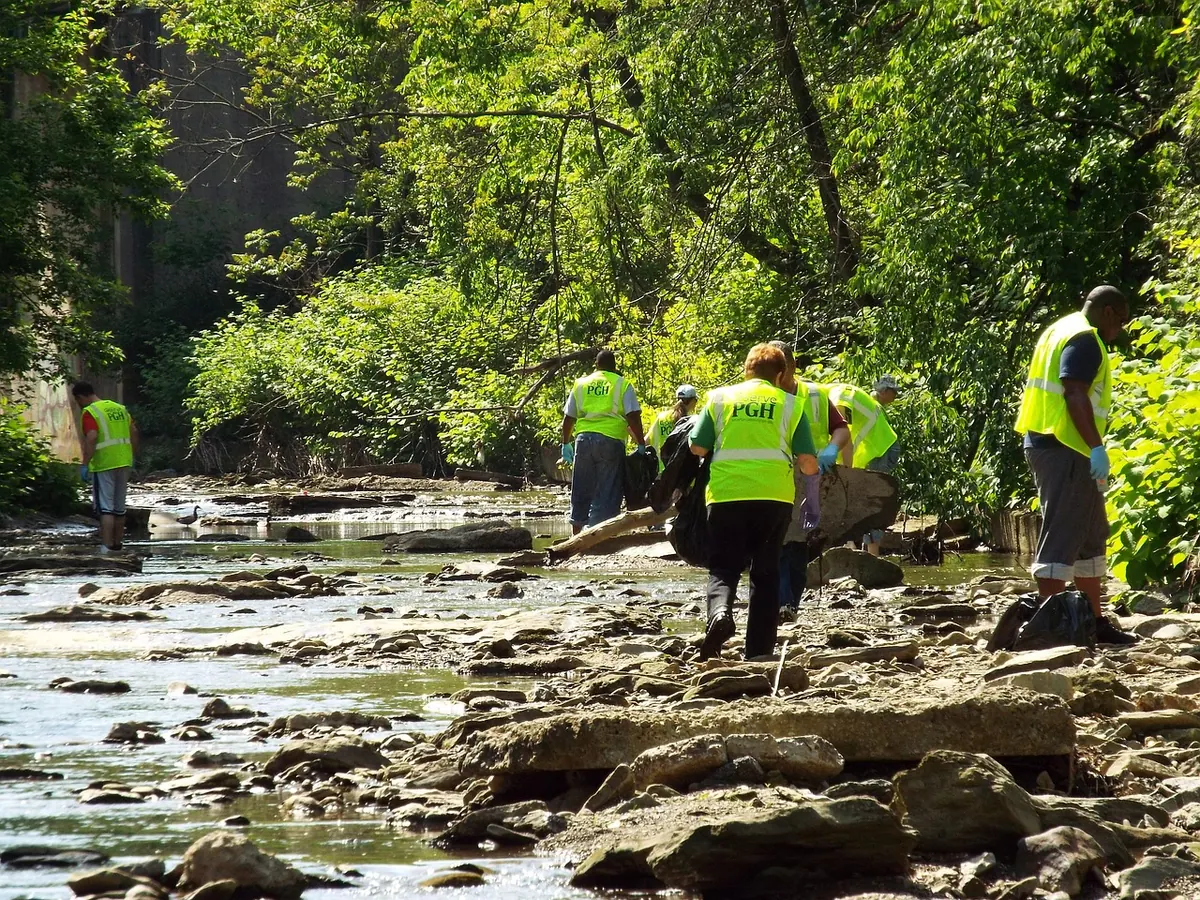
You walk the bank with a picker and a bag, working in pairs. Best for a first outing, for families, or for anyone who would rather stay dry. Distances are short because you stop constantly — a kilometre can easily take two hours. You will not be bored.
In-water work
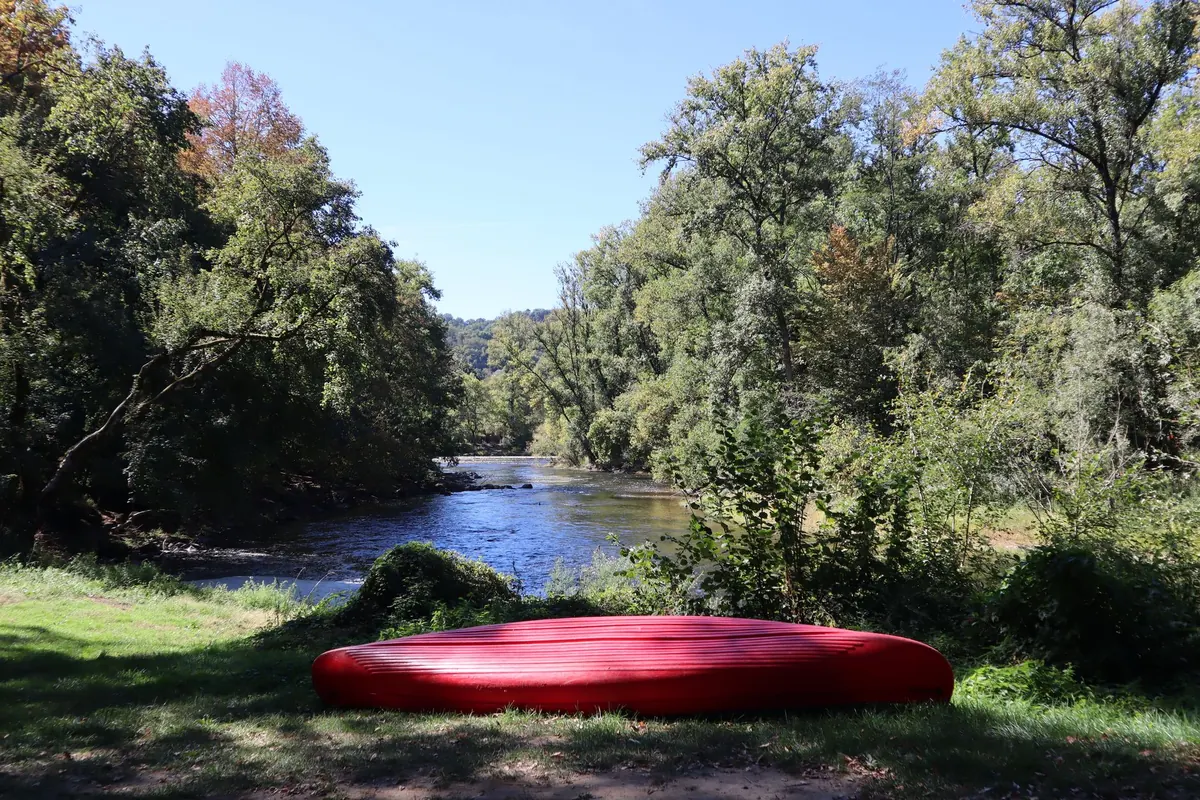
Wading, or working from a canoe, usually to reach heavier items. It needs more fitness and a bit more kit — waders or tall wellies, often supplied — and organisers will want to know that you can swim and that you are steady on your feet. You are almost always paired with someone who has done it before.
Some groups also run specialist days: pulling Himalayan balsam, clearing a blocked culvert, or planting up a bare bank. Say yes if you are offered one. You will learn more in a morning of balsam-pulling than in a year of reading about invasive species.
How to find a clean-up near you
You do not need to wait for a national event. There is almost certainly something happening within a bus ride of you this month.
- Your local river trust. The Rivers Trust coordinates a network of regional trusts, and most of them list volunteer days on their websites.
- The Canal & River Trust. Runs towpath tidy-ups and volunteer lock-keeping on canals and navigable rivers.
- Wildlife Trusts and county nature groups. Often work on smaller brooks and chalk streams that get less attention.
- National campaigns. Keep Britain Tidy’s Great British Spring Clean, each spring, covers rivers as well as streets and parks.
- Your council. Ask the parks, countryside or waste team — they often fund groups even when they do not run them.
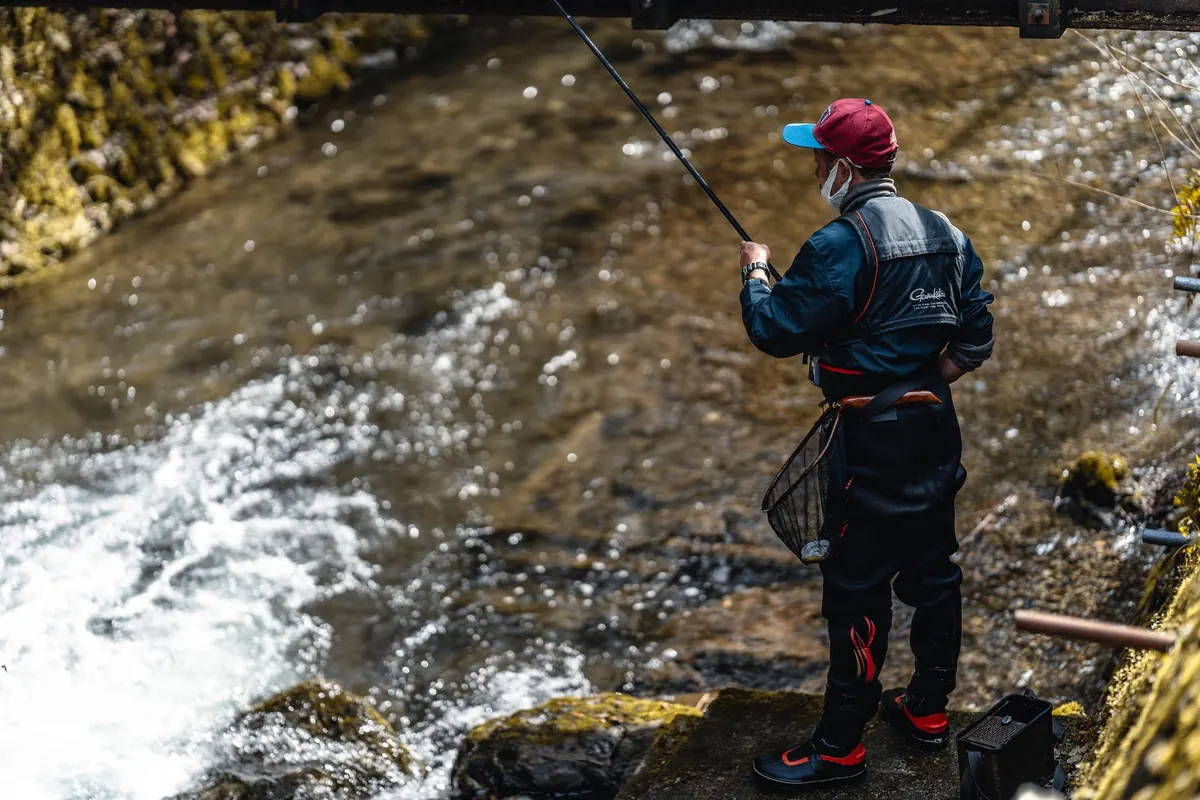
- Angling and paddling clubs. They know their stretch better than anyone and are usually delighted to have help.
- Community noticeboards and social media. Search your river’s name plus “clean-up”, and check local Facebook groups in the fortnight before an event.
If nothing exists, you can start something small. Contact the landowner or the council first, pick a short, safe stretch with easy access, and never organise a water-based clean-up as your first event. Five people and a dozen bags of rubbish is a real result.
What to bring with you
- Sturdy footwear. Wellies or old walking boots. Trainers will be wet within ten minutes.
- Gloves. Gardening gloves are ideal; organisers usually have spares.
- Layers and a waterproof, whatever the forecast promised.
- A refillable water bottle and a snack — you will be out longer than you think.
- Sun cream and a hat, for the two weeks a year it matters.
- Any medication you might need, plus a note of who to contact in an emergency.
Leave behind the headphones (you need to hear warnings), the flip-flops, your best clothes, and — sorry — the dog, unless the organiser has said otherwise.
What a morning actually looks like
- You arrive at the meeting point and register. There is usually a form and a brief safety talk.
- The organiser explains where you are working, what to do with what you find, and where the collection point is.
- Kit is handed out: pickers, bags, hoops, sometimes a grappling hook for the awkward stuff.
- You work in pairs or small groups for an hour or two, at your own pace.
- A break, with tea and biscuits, usually from a flask.
- The haul is sorted — recyclables separated, anything sharp double-bagged and set aside.
- Bags are hauled to the collection point, a group photo is taken, and you are home by lunchtime.
Staying safe by the water
River banks are less solid than they look. Silt is slippery, undercut banks collapse without warning, and a river that seems calm at the edge can be moving fast a metre out. Most clean-ups are gentle affairs, but a few rules are worth taking seriously.
- Never enter the water alone, and never when the level is high or rising after rain.
- Tell the organiser about any health conditions, injuries or medication before you start.
- Do not touch needles, syringes, gas canisters, or anything that might have held chemicals. Flag it and let a trained person deal with it.
- Cover cuts with waterproof plasters and wash your hands thoroughly before eating. Weil’s disease is rare, but it is real, and rivers carry it.
- Watch for glass and barbed wire under the mud. Use the picker and your gloves, not your hands.
- Keep children within sight and away from the water’s edge.
If in doubt, leave it and tell someone. Nothing in a river is worth an injury, and the trolley will still be there next month.
Why it is worth turning up
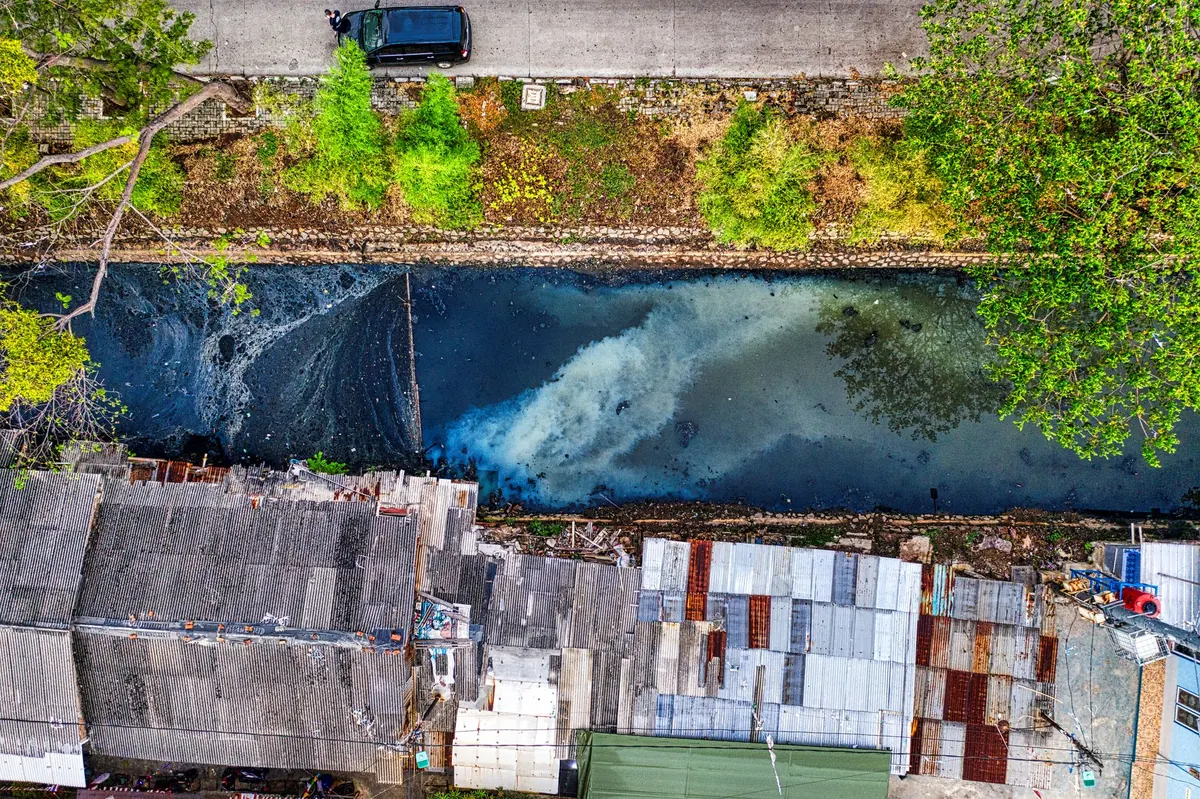
The obvious win is visible: a stretch of bank goes from tattered to tidy, and people who walk past it notice. But litter is a symptom, not the disease. Most of what ends up in a river arrives through drains and gullies, blown off roads or out of overflowing bins. A clean-up is a stopgap. What volunteers record — what, where and how much — is what gets used to argue for better bin design, more street sweeping, and tighter rules on single-use plastics. That is why some groups ask you to count as well as collect, and why an hour with a clipboard can matter as much as an hour with a picker.
Then there is the part that is harder to write down. Standing in a river changes your sense of it. You will start noticing that same stretch on your commute, watching for the rubbish that has blown in since, and muttering about it to people who did not ask. You will probably go back.
That is the whole invitation. Turn up once, in old trainers, on a Saturday morning, and pick up some cans. No experience required.
Photo: antoinetteforwine / Pixabay