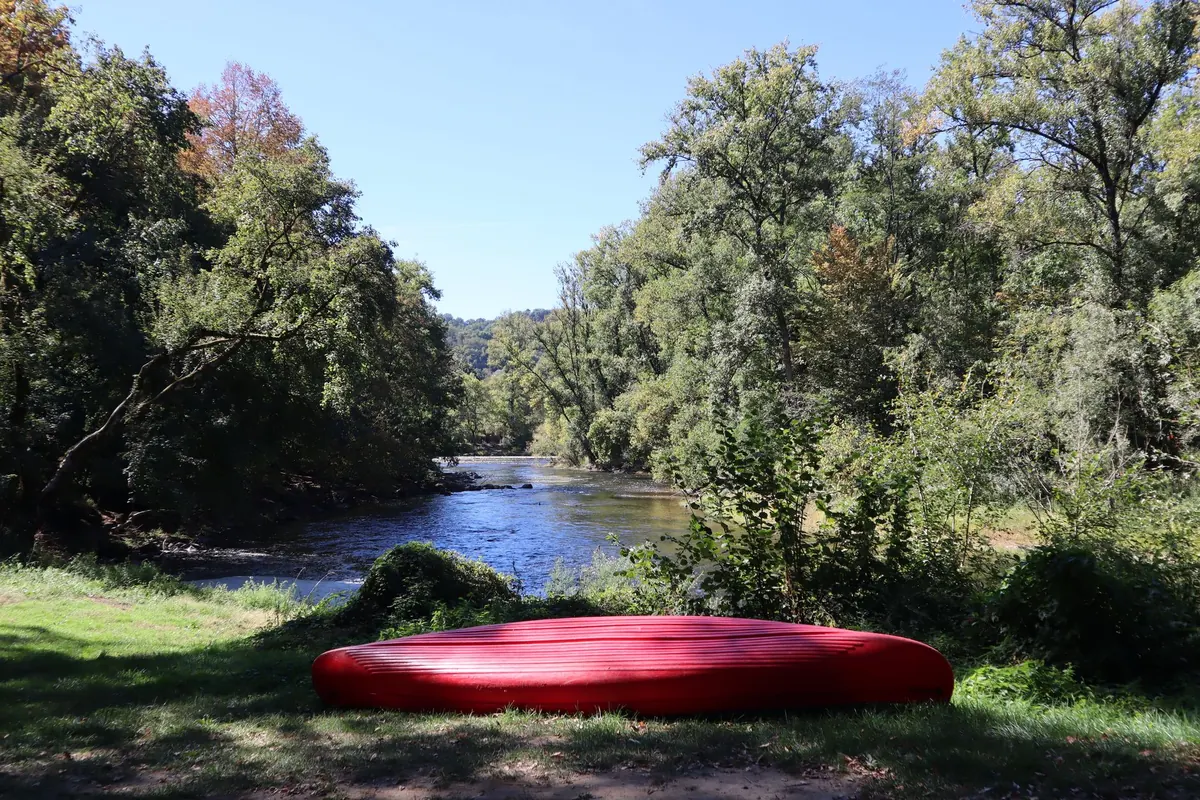
There is a moment at most river hire points on a summer Saturday morning when a family stands in front of the rack, pointing. One boat is open, with slatted seats and room for a cool box. The other is long and narrow, with a cockpit and a paddle bladed at both ends. Both will drift down the same stretch of water. Only one of them will suit you.
Canoes and kayaks overlap far more than beginners expect, and the honest answer to "which is better?" is "for what?". Here is what actually changes when you swap one for the other on calm UK rivers.
The difference, in one minute
A canoe, in British river talk, usually means an open Canadian-style boat: no deck, one or two seats, sometimes a kneeling thwart, paddled with a single blade. A kayak has a cockpit you sit down inside — or a moulded seat on top of a sit-on-top — with your legs stretched forward and a double-bladed paddle. Plenty of people call every small boat a canoe, and nobody will correct you in the pub, but the hire hut will.
Almost everything below flows from that one design difference.
Stability: the first five minutes lie to you
Step into an open canoe and it will feel tender. The hull may be wide, but the gunwales sit close to the water and your weight rests high on a seat. Give it ten minutes and it firms up. Boats like this have what coaches call secondary stability: they resist a capsize far harder than they resist a wobble.
A sit-on-top kayak does the opposite. You sit low, your legs work as ballast, and the boat feels planted the moment you settle in. Beginners relax faster in a kayak for exactly that reason, which matters more than any spec sheet when you are learning on a river.
Two or three habits make either boat feel steadier:
- Keep your head over the middle of the boat, and look at the horizon rather than your feet.
- Stow heavy gear low and central — not piled up at the bow.
- Get in and out beside a bank or pontoon with one hand on something solid, never by standing up in the water.
A family with nervous children will do well in a wide sit-on-top tandem or a stable open canoe. What rarely works is a narrow solo kayak handed to a first-timer on a breezy afternoon.
Storage, dogs and dry bags
This is where the canoe runs away with it. An open boat swallows camping kit, a cool box, a folding chair and a Labrador without complaint, and you can reach any of it while afloat. A kayak gives you a hatch, a small deck and whatever you can strap down within reach of the cockpit. For a two-hour paddle to a pub, that is plenty. For a weekend on the Wye with a tent, it is not.
Weight matters in the other direction. A plastic open canoe is heavy to lift onto roof bars and awkward to carry alone; most kayaks can be managed by one person. Think about the car park and the get-out before you think about the water.
Speed, effort and wind
For the same effort, a kayak covers more ground. The double blade keeps you tracking straighter, the narrow hull slips through the water, and you are not fighting the boat's tendency to drift sideways between strokes. A fit paddler in a touring kayak will leave a tandem canoe behind on a long, flat stretch.
But calm UK rivers rarely reward speed. What slows people down is wind, and an open canoe catches it like a sail. If your river is a wide, exposed one — the Great Ouse, the Broads, long reaches of the Thames — a breezy day in a canoe can be genuinely hard work. Sheltered, tree-lined rivers such as the upper Wye, the Dart or the Medway are far kinder to open boats.
Check your local conditions before setting out. Tidal stretches, weirs and after heavy rain all change a river, and a route that is gentle in July can be a different prospect in December. Ask at the hire point or check the relevant navigation authority's guidance.
Getting in, out and back on if you swim
Sit-on-top kayaks are the easiest boats to climb back onto from deep water, which makes them a sensible choice if you plan to swim, mess about or paddle with children who will. Open canoes are awkward to re-enter from the middle of a river and fill quickly once swamped, so fit buoyancy and stay close to the bank.
Kayaks win on portage and car topping. Canoes win on stepping in with a bad knee, carrying a passenger and moving around while afloat.
Which suits your day?
- Solo, two hours, one river, back for lunch: a sit-on-top or recreational kayak.
- Two adults, a picnic and a dog: a tandem open canoe.
- Camping for a weekend: a canoe, or a big touring kayak with proper dry bags.
- Nervous beginners or young children: a wide sit-on-top tandem.
- Learning to paddle properly, with a view to longer trips: either, with some coaching.
Choosing your first boat
Before you buy anything, hire. Most UK river centres will let you take out a kayak in the morning and a canoe in the afternoon, and one of them will feel obviously right within twenty minutes. Clubs affiliated to the national governing body run taster sessions and often have second-hand boats for sale from members who have just moved on.
Whatever you choose, budget for a well-fitted buoyancy aid, a dry bag, and a roof rack or bars that suit the boat's weight. Take a short course or go out with someone experienced before you tackle moving water, weirs or tidal sections; if you are unsure about a stretch of river, ask a qualified coach or the local navigation authority rather than guessing. For health matters, or anything involving children on the water, take proper advice from a qualified instructor.
Pick the boat that matches the day you actually paddle, not the one you imagine you might. A steady canoe on a quiet tributary beats a fast kayak you never take off the roof bars.
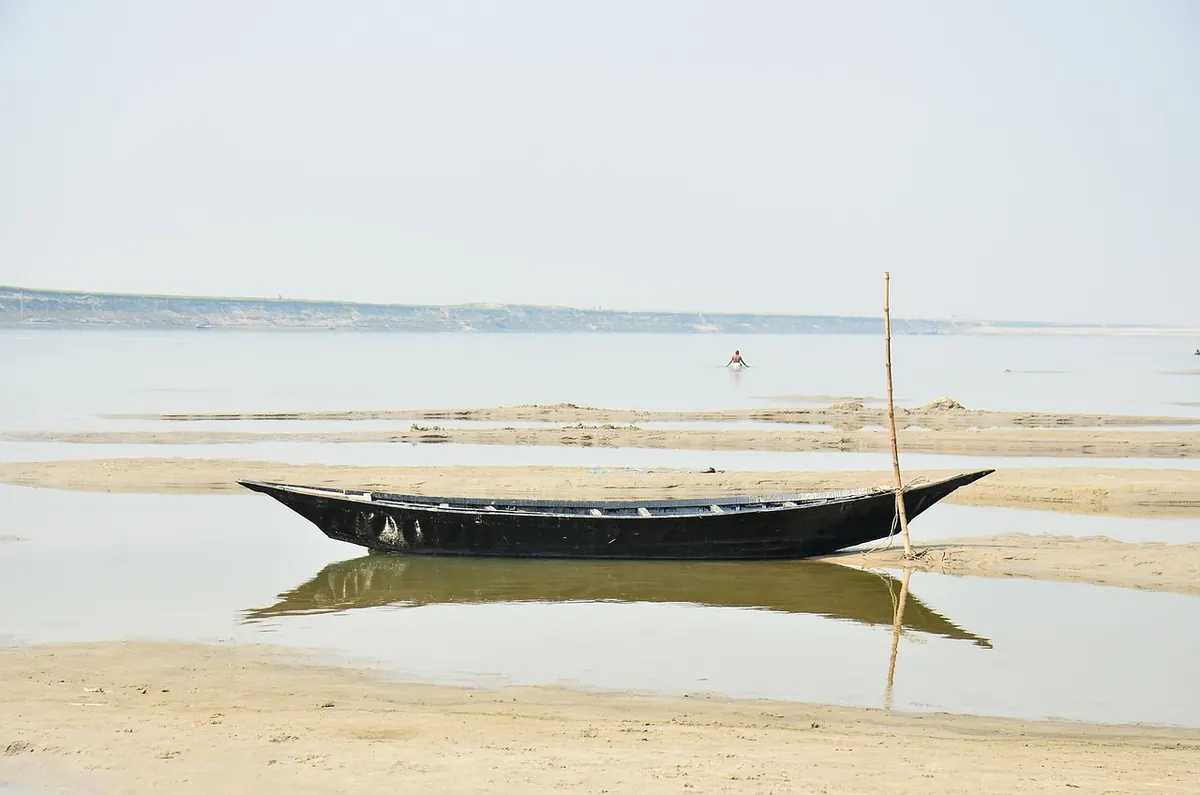
Photo: KurosagiNaruto / Pixabay