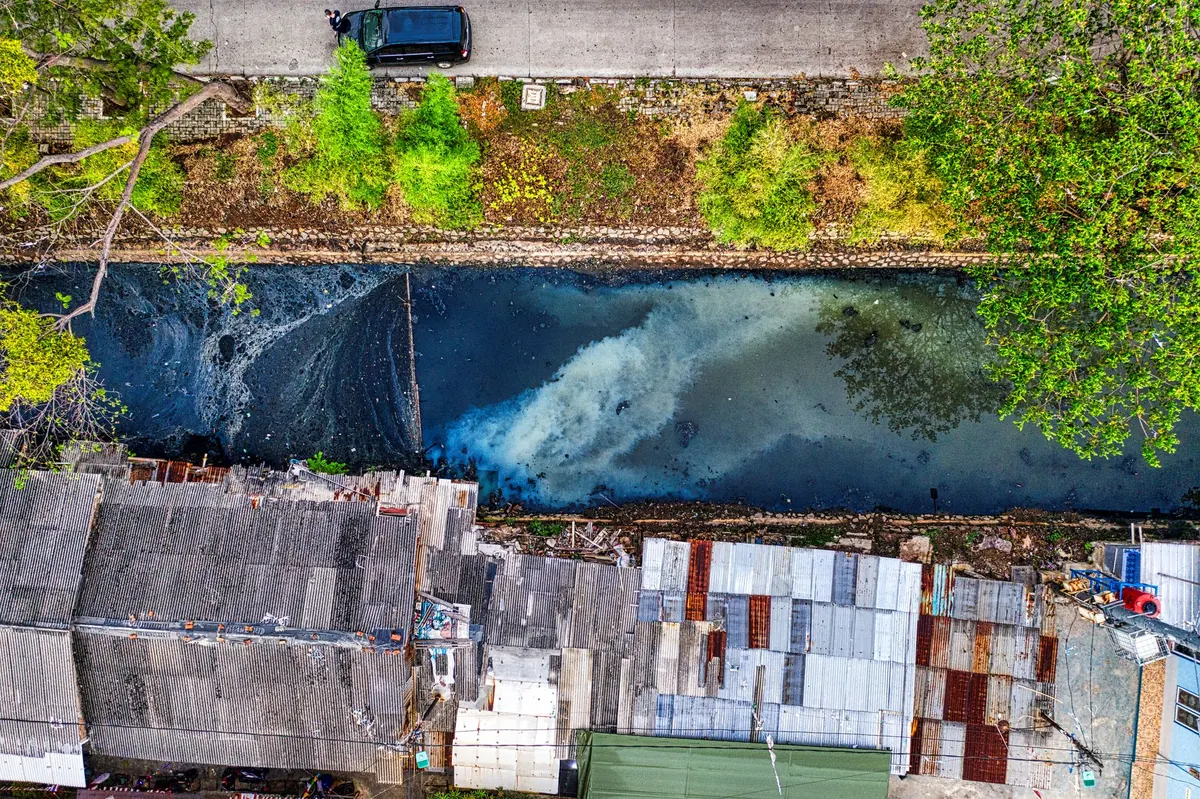
You are walking a familiar stretch of river. The water that was clear last week is grey and smells wrong. Or you find a dozen dead fish along the bank, or a rainbow sheen spreading from an outfall. It is easy to feel powerless. But a clear, timely report can trigger a site visit, stop a discharge and build the evidence needed to fix a chronic problem. The trick is knowing what to capture, who to contact and how to make your report count.
Safety first: do not become part of the incident
Before you take a photo or reach for your phone, stop and assess the scene. Polluted water can carry bacteria, viruses, chemicals and sharp debris. Do not enter the water, do not touch dead fish or distressed wildlife, and keep children and dogs well back. If there is a strong chemical smell, visible fumes or a risk of explosion, move upwind and call 999 if there is an immediate danger to life.
If you do make contact with suspect water, wash exposed skin with clean water and soap as soon as you can. If you later feel unwell, seek medical advice. For anything involving health, safety or legal liability, it is sensible to speak to a qualified professional rather than rely on general guidance.
What to record before you call
Regulators work on evidence. A vague report of “the river looks bad” is hard to act on. A precise report with time, place and images is much more useful. If you can, take photos and video before you leave the scene, and write notes while they are fresh.
Location details that matter
- The river name and nearest town or village.
- A precise location: what3words, grid reference, postcode, or the nearest bridge, weir, footpath or road.
- Which side of the river and whether the pollution is upstream or downstream of a known outfall.
- Any visible pipe, manhole, overflow or company sign, including any numbers or letters on it.
Incident details
- Date, time and how long you observed it.
- What you can see: colour, foam, oil sheen, sewage fungus, toilet paper, sanitary items, dead fish, dead invertebrates or algae.
- What you can smell: sewage, detergent, petrol, solvent, rotten eggs or nothing unusual.
- Water conditions: level, flow, clarity and whether it has rained recently or been dry for days.
- Wildlife affected: number and type of fish, birds or animals, if you can tell safely.
- Your contact details and whether you are willing to be contacted for follow-up.
Take a wide shot to show the setting and a close-up to show the detail. A short video with sound can capture flow; smell cannot be recorded, but you can describe it. Do not put yourself at risk for a better angle.
Who to call: the right route for your nation
In the UK, the environmental regulator is usually the first port of call for pollution in a river. The main hotlines are listed below, but numbers can change, so check the current details on the regulator’s website if you are unsure.
- England: Environment Agency incident hotline, 0800 80 70 60.
- Wales: Natural Resources Wales incident hotline, 0300 065 3000.
- Scotland: Scottish Environment Protection Agency (SEPA), 0800 80 70 60.
- Northern Ireland: Northern Ireland Environment Agency (NIEA) incident hotline, 0800 80 70 60.
If there is an immediate risk to life, call 999. For sewage or a storm overflow, also contact the water company that serves the area. They have their own pollution reporting lines and may need to attend. If the problem is on a canal or navigable waterway managed by the Canal & River Trust, report it to them as well. For smaller local issues such as fly-tipping on a bank or a blocked surface water drain, your local council may be able to help.
Report while you are still at the river if you can. Memory for detail fades fast, and an incident reference is easier to get if you call from the scene.
How to make your report count
When you get through, keep it calm and factual. Give the location first, then say what you are seeing. Avoid guessing who is responsible. “There is a pipe discharging grey water with a sewage smell into the River Arrow below the footbridge” is more useful than “the water company is dumping sewage again.”
- State that you are reporting a pollution incident and give the exact location.
- Describe what you can see, smell and hear. Mention dead fish or wildlife if relevant.
- Say when it started and whether it is still happening.
- Confirm whether you have photos or video and whether you can send them.
- Ask for an incident reference number and write it down.
- Ask what happens next and who will contact you.
If the line is busy or you are cut off, try again. Out-of-hours calls still matter. If you cannot get through, use the regulator’s online reporting form if one is available, but a phone call is usually better for an active pollution incident. Social media is not an official reporting route; it can raise awareness, but it will not always create a logged incident.
Follow-up: the step most people skip
Keep a simple log. Note the date, time, reference number, who you spoke to and what you were told. If you reported dead fish, take a photo of the whole bank and a close-up, and count what you can see without entering the water. If the pollution continues or returns, call back with the reference and add the new details. Repeat incidents are often what push a problem up the priority list.
After a reasonable period, follow up with the regulator or water company. Ask whether the incident was attended, what was found and whether any enforcement action is being taken. You may not get every detail, especially if an investigation is ongoing, but you are entitled to ask. If you get nowhere, your local councillor, MP, rivers trust or community group may be able to
Photo: Tom Fisk / Pexels