Grayling are the reason plenty of anglers keep fishing through January. With the trout season closed and the banks white with frost, these fish are still feeding, still catchable, and often sitting in water you can cover with a short roll cast from a gravel bar. Get the approach right and a hard winter day becomes one of the best of the season. Get it wrong and you'll spend five hours working empty water with numb fingers.
How Grayling Behave in Winter
As water temperatures fall, grayling gather into shoals. They spawn in the colder months — the exact timing varies from river to river and tends to be later in the north — and around that period they congregate on clean gravel in faster water. Outside spawning, they favour the steadier stuff: deep glides, the smooth gut at the head of a pool, and the creases where a fast tongue meets a slack eddy behind a bridge pier or a fallen branch.
Cold water slows them down. They don't chase. They do still eat, mostly small invertebrates — freshwater shrimp, caddis larvae, stonefly nymphs, and the tiny midge and winter olive nymphs that drift in the current all year round. On a mild, still afternoon, when the air feels warmer than the water, you can find them rising to midges in flat glides, sometimes with real confidence.
Reading a Winter River
Begin at the top of a pool. The riffle, or the lip where fast water spills into the pool, is the classic winter holding spot: broken surface, three or four feet of depth, and a steady supply of food. Work upstream from there, covering the seams between fast and slow water first.
Grayling spook easily and sit facing into the flow, so approach from below, cast up and across or straight upstream, and take a step after every few casts. On a clear, low, cold river your profile on the bank matters more than your fly choice. Keep low, stay off the skyline, and don't wade through the water you're about to fish.
Fly Tactics That Work
Nymphing
Small, heavy and slow is the rule. A ten-foot #3 or #4 with a long, fine leader and a single tungsten-beaded nymph will catch more winter grayling than any other approach. Fish one fly or a two-fly team with a short dropper, keep the rod tip low and stay in contact with the flies. Winter takes are often a stall or a slight hesitation rather than a tug — watch where the leader meets the water, and strike at anything that doesn't look right.
Dry Fly and the Duo
On a mild afternoon, keep a dry fly on the leader even while nymphing. A small Klinkhamer or a size 18 CDC midge pattern, either as a sight bob above a nymph or fished alone in flat water, is worth the patience. Rises in winter are gentle and easy to miss.
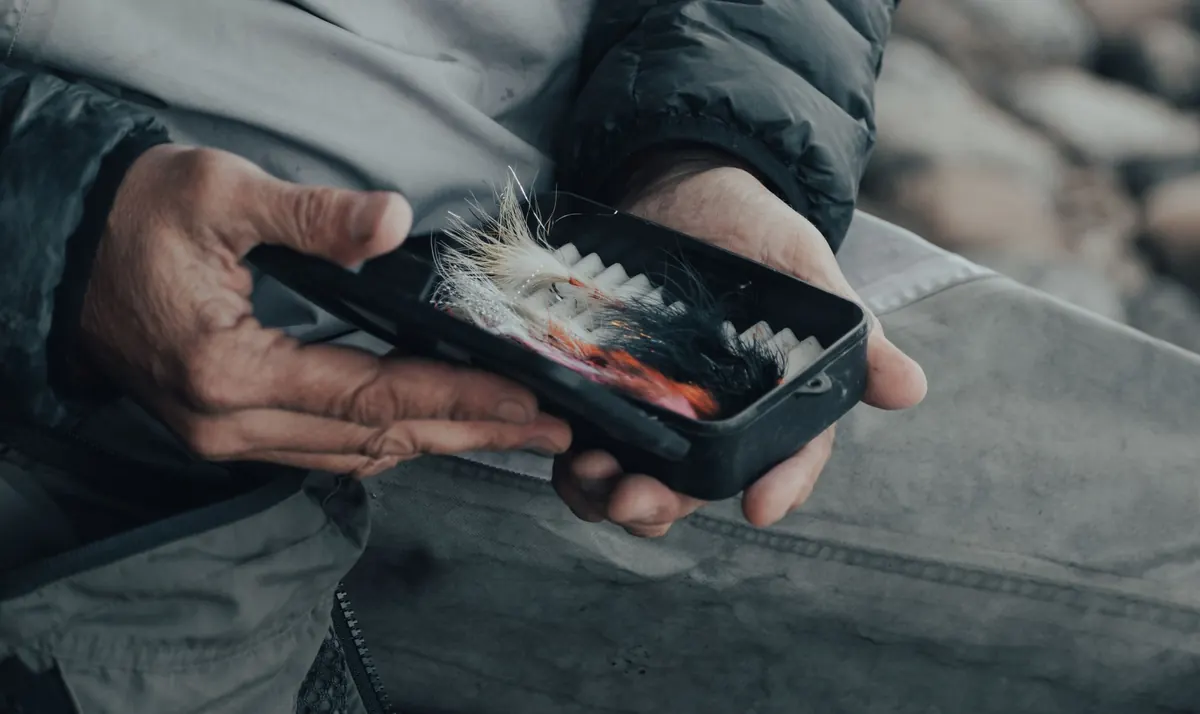
Patterns worth having in the box:
- Pheasant Tail nymph, sizes 14–16, tungsten bead
- Hare's Ear, size 14, plain or with a pink hot spot
- Grey shrimp or scud imitation, sizes 14–16
- Caddis and stonefly larvae, sizes 12–14
- Klinkhamer or CDC midge, sizes 16–18
A few presentation habits matter as much as the flies:
- Fish close. Short, accurate casts beat long, hopeful ones.
- Slow the drift right down — grayling rarely move far for food in cold water.
- Change depth before you change fly.
- Cover a run properly, then walk on. Don't keep flogging a fish that has already refused twice.
Cold-Weather Kit
Cold hands catch fewer fish than poor flies do. Dress for standing still, not for walking, and keep a spare layer in the car.
- Two merino or synthetic base layers under breathable waders
- A wading jacket with a decent hood, plus a fleece underneath
- Wading belt done up; chest pockets for a small fly box, tippet and forceps
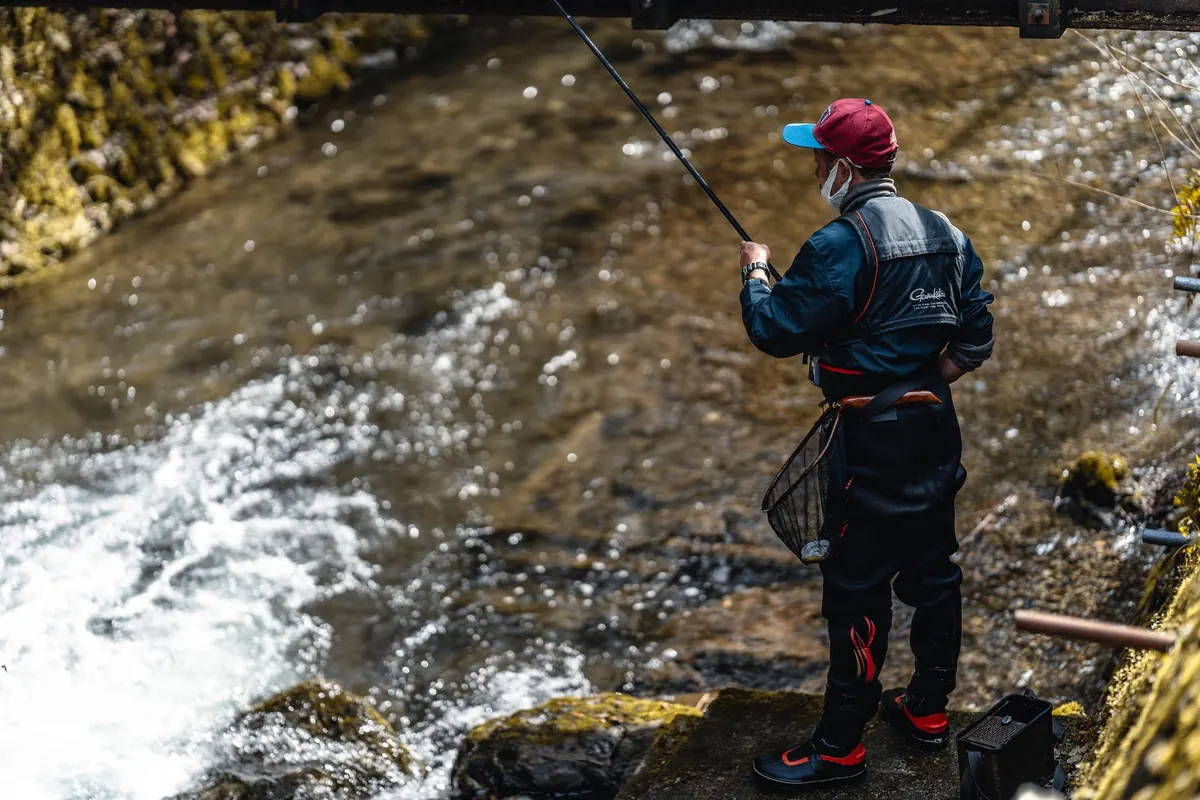
- Fingerless or fold-back gloves, a woolly hat and a buff for your neck
- Polarised sunglasses — the glare is worse in low winter sun
- A net with soft mesh, and forceps for unhooking
- Flask, and a hand towel in a dry bag
Check the river level and the forecast before you set out, and take cold water shock seriously: even a shallow slip in January is more dangerous than it looks. Wear a wading belt, don't wade above knee height in fast water, fish with a companion where you can, and tell someone where you're going and when you'll be back.
Licences and Permits
In England and Wales you need an Environment Agency rod licence to fish for grayling. The non-migratory trout and coarse licence covers it, and it's easy to buy online. In Scotland, no rod licence is required for grayling, but you still need permission from the owner or the local angling association. In Northern Ireland, a DAERA rod licence plus a permit is normally required.
A rod licence does not give you the right to fish anywhere. You also need a day ticket, club permit or membership of whoever controls the water. Check the local rules before you travel: some fisheries restrict methods or baits, and many rivers run voluntary grayling closures over the spawning period,
Photo: Gaspar Zaldo / Pexels